Choosing well
How to Choose a Gift They'll Actually Keep: A 5-Step Framework
Written by The Gift Tool Editorial Team. We review the research, test the tool and update this piece when our thinking changes. The Gift Tool is an Amazon Associate; we earn a small commission on qualifying purchases, but our recommendations are never pay-to-play.
Every gift guide on the internet seems to have the same shape: dozens of products, a few price brackets and a promise that something in the list is right. You scroll, second-guess every option and close the tab. The problem was never a shortage of gift ideas. It was not having a way to choose between them.
This guide gives you one. The five-step framework below is grounded in published research on why gift giving goes wrong. It works whether you are buying for a partner, parent, colleague or the friend who already owns everything. The goal is not a dramatic reaction when the wrapping comes off. It is a gift that still feels right months later.
Why good intentions still produce bad gifts
Gift givers and recipients often judge the same present differently. In a review of gift-giving research, Jeff Galak, Julian Givi and Elanor Williams found that givers tend to focus on the exchange, while recipients care more about the value a gift provides once they own it. In plain English: you may be optimizing for the gasp; they may be thinking about the next twelve months.
Two findings make that gap easier to close:
- Requested gifts can be more welcome than surprises. Across five studies, Francesca Gino and Francis Flynn found that recipients were more appreciative of gifts they had explicitly requested, while givers expected requested and unrequested gifts to be appreciated about equally.
- Experiences can strengthen close relationships. Cindy Chan and Cassie Mogilner found that experiential gifts improved recipients' sense of connection more than material gifts. The effect came from the emotion felt while consuming the experience, not from the moment it was received.
These are useful defaults, not universal rules. A requested kitchen tool can beat surprise concert tickets if the recipient dislikes crowds. Evidence about the person in front of you still comes first.
The five-step framework for choosing a thoughtful gift
Step 1: Build an evidence list, not a category
Do not begin with "gifts for her" or "gifts for him." Those labels tell you almost nothing about the individual and lead straight to generic candles, mugs and novelty sets.
Instead, write down five things you have actually observed:
- A hobby or routine they spend time on now
- Something they have complained about more than once
- A product, shop or maker they mention by name
- Something they recently used up, broke or replaced
- A small luxury they like but rarely buy for themselves
Five concrete observations beat any demographic filter. If you cannot fill the list, ask the recipient or someone close to them. Asking is not a failure of thoughtfulness; it is a way to replace guessing with useful information.
Step 2: Ask whether they would use it on an ordinary Tuesday
For every candidate, ask: Would they reach for this on an ordinary Tuesday in March?
That question filters out the aspirational hobby kit, the impressive gadget that requires an account and the beautiful object that does not fit their home. It also helps when choosing a gift for someone who has everything. People who own plenty still have gaps beside the things they use most: a better accessory, a consumable they ration or an upgrade they keep postponing.
Check friction as well as usefulness. Does it need storage space, assembly, maintenance, a subscription or another purchase before it works? A gift that creates a chore is less useful than it first appears.
Step 3: Choose deliberately between an experience and an object
Experiences are strong choices when you want to deepen a close relationship: a class, a tasting, theater tickets or a day planned around something they enjoy. Material gifts are often better when the recipient has named a concrete need or when scheduling an experience would create work.
A useful middle ground is a material gift with an experiential life: a pasta machine that becomes Sunday dinner, good headphones used on every commute or a camera taken on future trips. The object gives them something to open; its repeated use creates the lasting value.
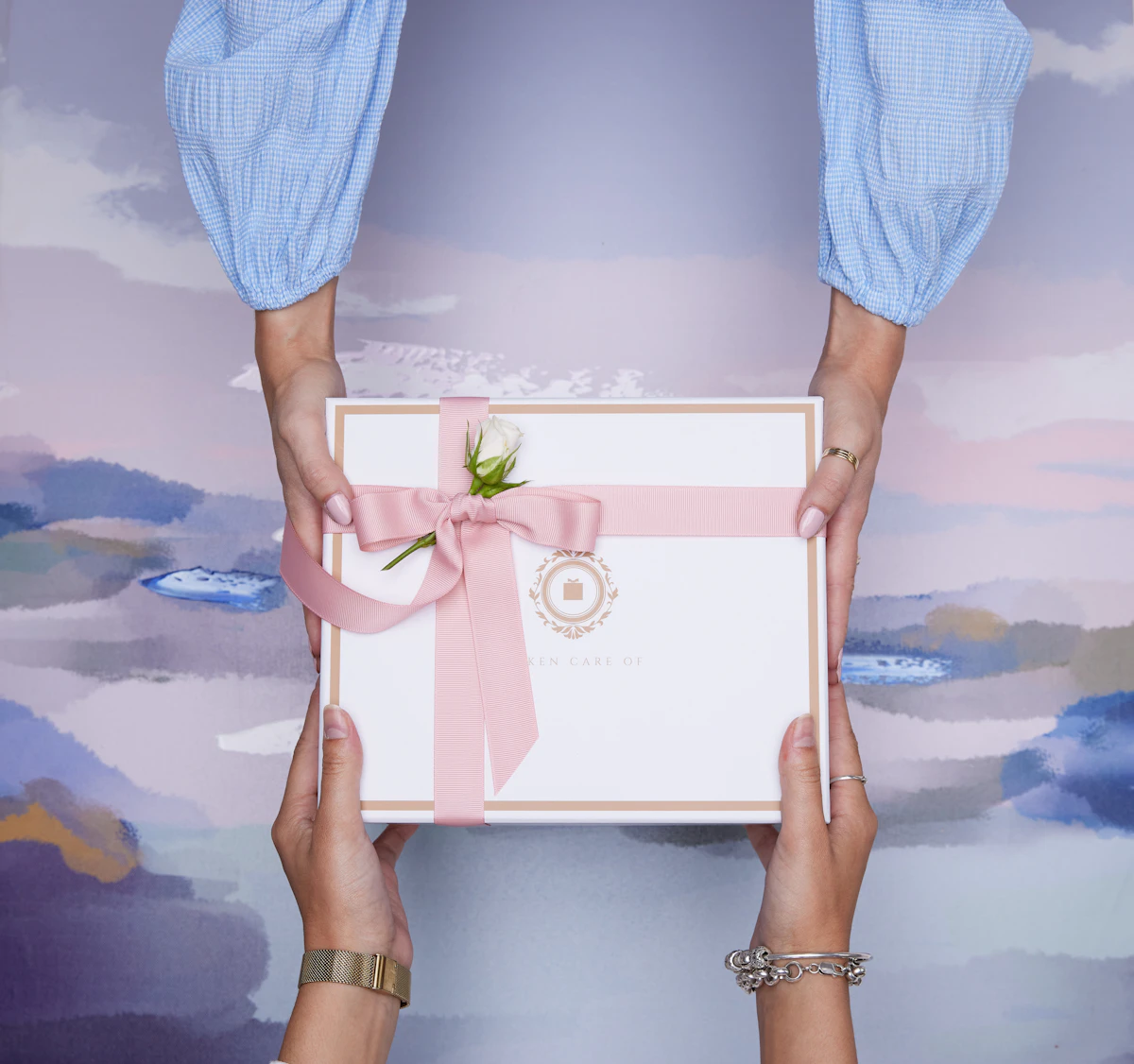
Photo by Olivia Bollen on Unsplash.
Step 4: Set the budget before you browse
Choose your ceiling first. Browsing before budgeting anchors you to the prices a retailer wants to show and turns every option into a comparison with something more expensive.
Research summarized in the giver-recipient review above also suggests that givers put more weight on price than recipients do. Spend an amount that fits the relationship, occasion and your own finances; do not use a higher price to compensate for uncertainty. Our guide to how much to spend on a gift has practical ranges, while the boyfriend gift budget guide covers the especially awkward early-relationship stage.
Step 5: Personalize the final 10 percent
Personalization is the finishing move, not the strategy. A monogram on the wrong object is still the wrong object.
Once you have chosen something they will use, add one detail that shows why it is for them: the flavor they always order, a color already in their home, packaging tied to an inside joke or a short note explaining what made you choose it. Our guide to personalizing a gift covers quick additions that feel specific rather than decorative.
How the framework changes by relationship
The five steps stay the same. What changes is the main risk.
| Recipient | Biggest risk | What to prioritize |
|---|---|---|
| Partner or spouse | Choosing romance over fit | Daily usefulness with one sentimental detail |
| New partner | Spending too much or signaling too much | A low-pressure shared experience or modest, specific item |
| Parent | Defaulting to generic "mom" or "dad" products | Time together or an upgrade to something they already use |
| Sibling | Relying on an inside joke alone | Pair the joke with something genuinely useful |
| Colleague | Getting too personal | A high-quality, neutral consumable within workplace norms |
| Teen | Guessing at trends, brands or models | Ask directly, or offer a choice within your budget |
Once you have worked through the person-specific evidence, use our gift guides for occasion and relationship ideas without losing the framework.
How to choose a birthday gift
Birthdays are flexible because the focus is the person rather than a household or shared milestone. Start with what changed since their last birthday: a new routine, job, home, interest or problem. Then pick something that supports the current version of them.
For a milestone birthday, it can make sense to add a commemorative layer — an edition made in their birth year, a framed memory or an experience with people they value. The milestone should shape the presentation, not force you into age-themed merchandise they will never use.
When you are out of time
Time pressure does not break the framework; it compresses it. Pull two solid observations instead of five, set a firm budget and choose something easy to use immediately. A very good version of an ordinary consumable often lands better than a mediocre version of an impressive object.
Avoid sizing, complicated setup and random gift cards under deadline. If you already have an idea, put it through the Gift Checker before buying. It is a quick way to catch poor fit, hidden friction or an occasion mismatch.
Frequently Asked Questions
What makes a good gift? A good gift fits the recipient's real life, suits the occasion, creates little friction and stays within a budget appropriate to the relationship. Long-term usefulness matters more than a theatrical unwrapping moment.
Is it bad to ask someone what they want? No. Studies have found that recipients can appreciate explicitly requested gifts more than unsolicited ones. You can still make the gift thoughtful through the exact version you choose, the timing, the presentation and the note.
How do I choose a gift for someone who has everything? Look beside what they already love. Find the accessory, consumable, service or overdue upgrade connected to something they use often. Owning a lot does not remove gaps; it makes the remaining gaps more specific.
How much should I spend on a gift? Set the amount before browsing, based on the relationship, occasion and your finances. More expensive does not automatically mean more appreciated, and a price that creates pressure for either person is too high.
The short version
Choosing a gift is a decision problem before it is a shopping problem. Gather five real observations, test each idea against an ordinary Tuesday, choose deliberately between an experience and an object, set the budget before browsing and personalize only after the core idea is right.
Ready to try the framework? Describe the person you are shopping for and get personalized gift ideas, or download the iOS app to save profiles, track ideas and set reminders for birthdays and anniversaries.
Keep reading: How to Tell If a Gift Is Actually Good · The 7 Most Common Gift-Giving Mistakes · Matching Gifts to Occasions
Still stuck on the perfect present? Our AI gift finder asks a few quick questions and returns ideas matched to the person you’re shopping for.